Mozuku frais ou séché : texture, usage, et vrai bon choix
Comparatif pratique du mozuku frais, salé et séché : texture, préparation, conservation, et format le plus logique en Europe.
Par Not Nori · · 9 min de lecture
Contenu informatif fondé sur les sources citées dans l’article. Il ne remplace pas un avis médical.
Sur cette page
- Réponse Courte
- Ce Que "Frais" Veut Vraiment Dire Pour Le Mozuku
- Ce Que Le Séchage Change
- Le Mozuku Salé Est Le Maillon Oublié
- Comparatif Côte À Côte
- Que Faut-Il Acheter En Vrai ?
- Achetez un format proche du frais si vous voulez une première impression honnête
- Achetez du séché si la vraie contrainte est logistique
- Achetez du salé si vous privilégiez l'intégrité alimentaire plutôt que la facilité
- Ne laissez pas le format masquer les vraies vérifications
- Bases De Préparation
- Mozuku frais ou surgelé déjà préparé
- Mozuku salé
- Mozuku séché
- Questions Fréquentes
- Le mozuku séché est-il moins intéressant que le mozuku frais ?
- Le mozuku salé est-il plus proche du frais que le séché ?
- Peut-on acheter du vrai mozuku frais en Europe ?
- Quel est le meilleur format pour un premier achat ?
- Quel format choisir si je veux garder la main sur les ingrédients ?
- Verdict Achat
- Sources
- Sources officielles et primaires
Si la vraie question est la texture, le mozuku frais gagne. Si la vraie question est la conservation et l'expédition, le mozuku séché gagne. Mais hors Japon, la plupart des acheteurs ne comparent pas vraiment un mozuku fraîchement récolté à Okinawa avec un sachet séché posé sur la même étagère. Ils comparent surtout du mozuku séché à des formats exportables plus proches du frais, comme le mozuku salé puis dessalé, ou les packs surgelés déjà préparés.
Cette distinction compte parce que le mozuku est principalement de l'eau dans la forme où on le mange réellement. Les tables japonaises MEXT donnent 96,7 g d'eau pour 100 g de mozuku d'Okinawa salé puis dessalé. Le séchage change donc plus que la durée de conservation. Il change la sensation en bouche, la logique de portion, et le degré de fidélité à l'expérience culinaire okinawaïenne.
Si vous voulez d'abord le contexte général sur l'espèce, commencez par Qu'est-ce que le mozuku ? Guide clair et repères utiles. Ici, le sujet est plus précis : frais versus séché, la place réelle du mozuku salé entre les deux, et le format le plus logique pour un acheteur européen.
Réponse Courte
Le mozuku frais ou en format proche du frais est le meilleur choix si vous voulez :
- la texture glissante caractéristique,
- un résultat proche des préparations froides au vinaigre,
- un premier essai fidèle à la façon dont le mozuku est réellement mangé.
Le mozuku séché est le meilleur choix si vous voulez :
- du stockage placard,
- une expédition plus simple et plus légère,
- un ingrédient à garder en réserve plutôt qu'un produit frais, salé ou surgelé à gérer rapidement.
Le mozuku salé se place entre les deux :
- plus proche du frais en texture une fois dessalé,
- plus réaliste à exporter que du vrai mozuku frais,
- moins pratique que le séché parce qu'il demande rinçage et dessalage.
Ce Que "Frais" Veut Vraiment Dire Pour Le Mozuku
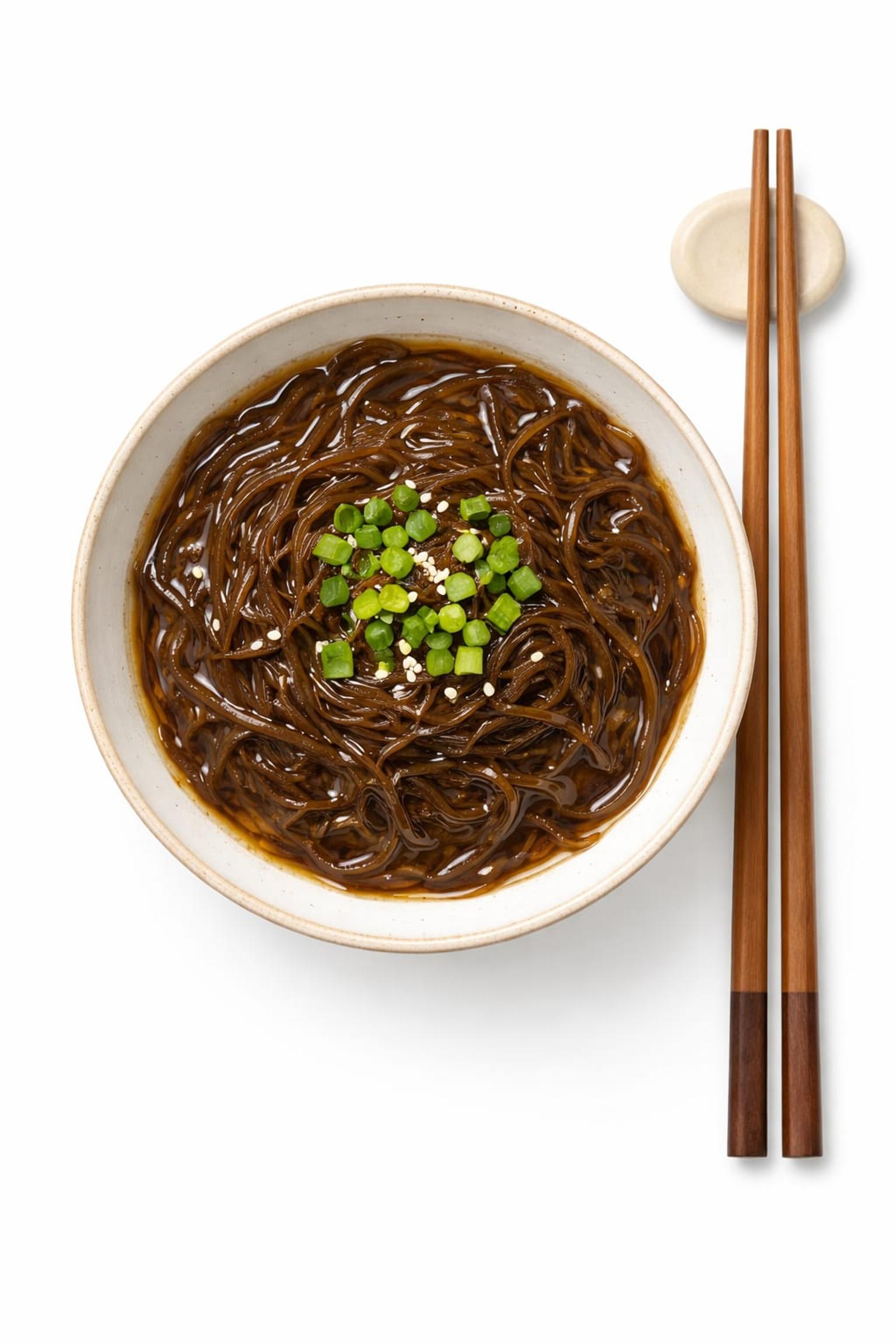
À Okinawa, le mozuku frais désigne une algue humide, très peu transformée, vendue pendant la saison principale de récolte plutôt qu'un produit de placard. C'est le point de référence pour sa texture naturelle : glissante, légèrement gélifiée, douce, et particulièrement adaptée aux préparations froides comme le mozuku-su ou aux soupes simples.
Ce n'est pas forcément ce que les acheteurs européens appellent "frais". En pratique, l'Europe voit beaucoup plus souvent :
- du mozuku surgelé déjà préparé,
- des cups ou packs assaisonnés,
- du mozuku salé qui ne redevient proche du frais qu'après rinçage et dessalage.
Donc si votre vraie question est "à quoi ressemble vraiment le mozuku ?", la réponse la plus honnête n'est pas le séché. C'est un format hydraté : frais à Okinawa, ou salé dessalé et surgelé préparé hors Okinawa.
Ce Que Le Séchage Change
Le séchage ne rend pas automatiquement le mozuku moins bon. Il le rend plus pratique.
Les gains sont nets :
- moins de poids,
- rangement plus simple,
- export plus simple,
- moins de dépendance à la chaîne du froid ou à une consommation rapide.
Les pertes sont pratiques elles aussi :
- la réhydratation devient une étape du mode d'emploi,
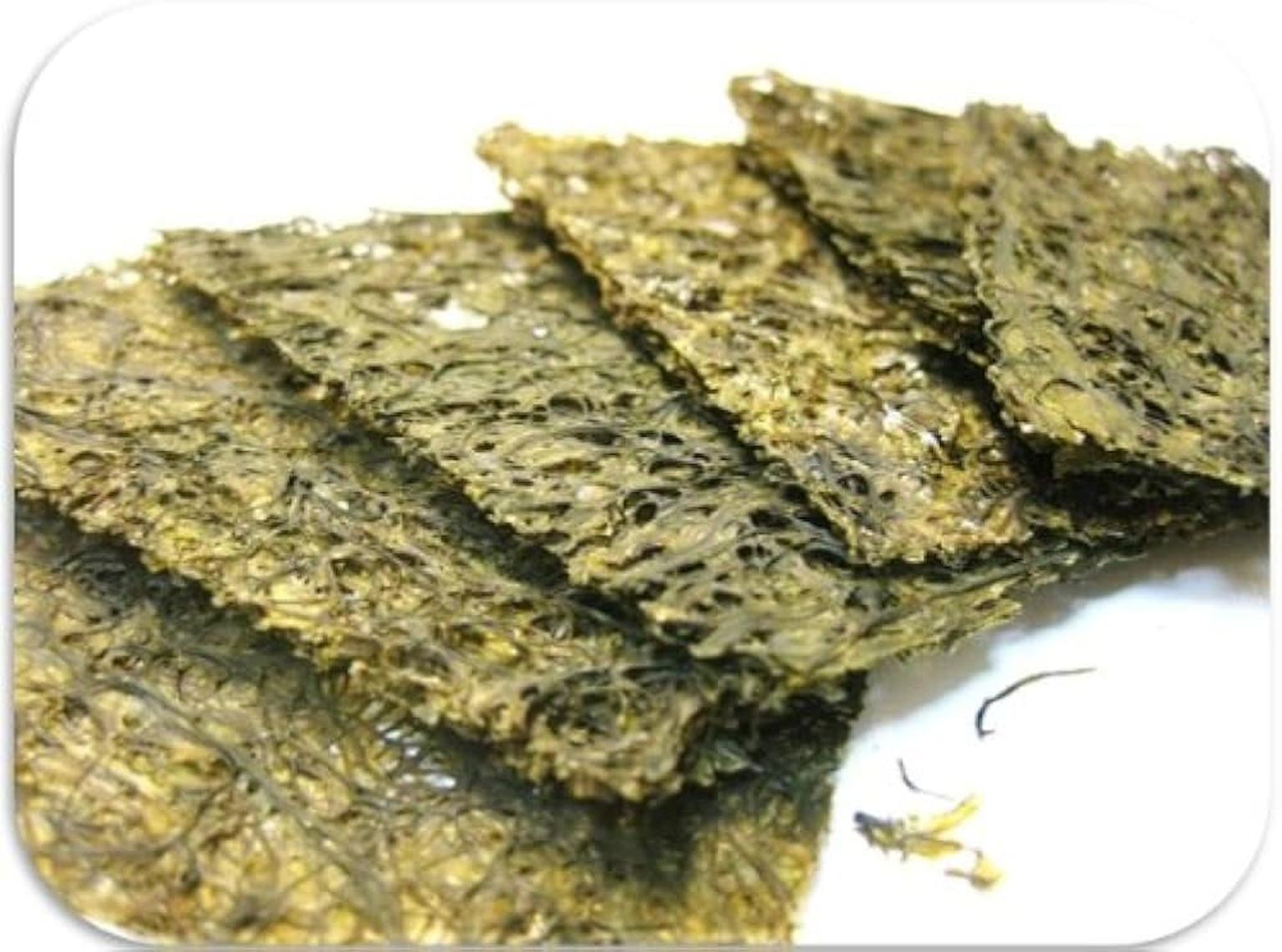
- la texture est souvent plus légère et un peu moins convaincante qu'avec un mozuku proche du frais,
- les grammes secs peuvent donner de mauvais repères de prix ou de nutrition si l'on oublie que la portion finale se mange hydratée.
C'est pour cela que le mozuku séché est un bon produit de placard, sans être toujours la meilleure première rencontre avec l'algue.
Le Mozuku Salé Est Le Maillon Oublié
Si l'on compare seulement le frais et le séché, on oublie souvent le format qui compte le plus pour les acheteurs exigeants : le mozuku salé.
Le mozuku salé est la logique d'export dominante parce qu'il garde l'algue plus proche de son caractère hydraté tout en rendant le transport plus réaliste qu'un produit de récolte vraiment frais. Après un trempage à l'eau froide puis un rinçage, il se comporte beaucoup plus comme une base d'aliment entier que le mozuku séché.
Cela en fait le meilleur compromis si vos priorités sont :
- rester proche de la texture du mozuku de récolte,
- garder la main sur l'assaisonnement,
- acheter un format qui a malgré tout une vraie logique d'export.
Son défaut, c'est la commodité. Le séché se garde plus facilement au placard. Le salé demande rinçage, dessalage, et un peu plus d'attention sur la conservation.
Comparatif Côte À Côte
| Ce qui change | Mozuku frais ou proche du frais | Mozuku salé | Mozuku séché |
|---|---|---|---|
| Texture | La plus proche de l'usage okinawaïen | Proche après dessalage | Plus légère et moins exacte après réhydratation |
| Préparation | Minime si produit prêt à manger ou décongelé | Rinçage et dessalage avant usage | Réhydratation avant usage |
| Conservation | La moins pratique | Intermédiaire | La plus pratique |
| Logique d'expédition | La plus faible | Meilleure | La meilleure |
| Contrôle des ingrédients | Variable si produit assaisonné | Fort | Fort |
| Meilleur cas d'usage | Premier essai, plats froids, référence texture | Cuisine maison avec plus de contrôle | Placard et commande simple |
Que Faut-Il Acheter En Vrai ?
Achetez un format proche du frais si vous voulez une première impression honnête
Si vous goûtez le mozuku pour la première fois, commencez par un format hydraté. Un pack surgelé ou déjà préparé montrera la texture plus honnêtement qu'un produit séché.
Achetez du séché si la vraie contrainte est logistique
Si vous vivez loin des circuits d'épicerie japonaise spécialisée, ou si vous voulez un produit stable au placard qui supporte un transport ordinaire, le séché gagne en praticité.
Achetez du salé si vous privilégiez l'intégrité alimentaire plutôt que la facilité
Le mozuku salé est souvent le meilleur compromis d'aliment entier pour les acheteurs qui veulent assaisonner eux-mêmes l'algue et rester plus proches de sa texture habituelle.
Ne laissez pas le format masquer les vraies vérifications
Frais, salé ou séché, les questions sérieuses restent les mêmes :
- l'espèce est-elle nommée,
- l'origine est-elle crédible,
- la fiche est-elle cohérente avec le format,
- et, en Europe, sur quelle base juridique le vendeur commercialise-t-il ce produit ?
Pour la vue d'ensemble côté achat en Europe, Où acheter du mozuku en Europe couvre plus largement les canaux et les vérifications de conformité.
Bases De Préparation
Mozuku frais ou surgelé déjà préparé
C'est généralement la voie la plus simple. Suivez l'étiquette, gardez au froid selon les consignes, et jugez surtout le produit comme un aliment prêt à l'emploi.
Mozuku salé
Trempage à l'eau froide, rinçage, égouttage, puis goût. Si c'est encore trop salé, recommencez une fois. Après dessalage, il est prêt pour un assaisonnement, une soupe, ou un usage froid très simple.
Mozuku séché
Traitez-le comme un ingrédient, pas comme un plat prêt à servir. Réhydratez selon les consignes du paquet, puis jugez le produit une fois hydraté, pas à l'état sec.
Questions Fréquentes
Le mozuku séché est-il moins intéressant que le mozuku frais ?
Pas automatiquement. Le vrai sujet est surtout que les portions séchées et hydratées ne se comparent pas un pour un. La texture, la taille de portion et la concentration changent quand l'eau disparaît puis revient.
Le mozuku salé est-il plus proche du frais que le séché ?
Le plus souvent, oui. Une fois dessalé, le mozuku salé reste généralement plus proche de la texture hydratée que le mozuku séché après réhydratation.
Peut-on acheter du vrai mozuku frais en Europe ?
C'est le format le moins réaliste. Les acheteurs européens ont beaucoup plus de chances de trouver des produits surgelés préparés, salés ou séchés que du mozuku vraiment fraîchement récolté.
Quel est le meilleur format pour un premier achat ?
Pour la plupart des gens, un produit alimentaire hydraté, surgelé ou déjà prêt, est le test le plus honnête. Le séché devient plus intéressant une fois que vous savez déjà que vous voulez du mozuku au placard.
Quel format choisir si je veux garder la main sur les ingrédients ?
Le mozuku salé est souvent la meilleure réponse, parce qu'il laisse l'algue plus proche de son état d'aliment entier tout en vous laissant le contrôle de l'assaisonnement final.
Verdict Achat
- Choisissez un mozuku proche du frais si la texture et la première expérience comptent le plus
- Choisissez le séché si la conservation et l'expédition comptent le plus
- Choisissez le salé si vous voulez le meilleur compromis export entre les deux
- Ne comparez pas des grammes secs à des portions hydratées comme si c'était le même achat
Sources
Sources officielles et primaires
- Base MEXT, mozuku d'Okinawa salé et dessalé
- Préfecture d'Okinawa, produits majeurs de la pêche
- Préfecture d'Okinawa, présentation de l'espèce mozuku d'Okinawa
- MAFF, plat local d'Okinawa à base de mozuku
- MAFF, cas export sur le mozuku séché
Cet article est fourni à titre informatif uniquement. Il ne constitue ni un avis juridique ni un avis médical. En cas de pathologie thyroïdienne ou de consommation régulière d'algues, évaluez l'exposition à l'iode avec un professionnel qualifié.